




When I first heard "product management," I nodded along without really knowing what a product manager did all day. Building features? Managing engineers? Drawing roadmaps? The honest answer took me a while to understand, so this is my attempt to explain it the way I wish someone had explained it to me — as a fellow learner, not an authority.
What product management actually is
Product management is a strategic practice that guides a product through its whole lifecycle — research, planning, development, launch, and ongoing optimization — to build something that meets both business goals and real customer needs. Put more simply, a product manager owns the what and the why of a product: what problem are we solving, for whom, and why this instead of everything else we could build.
The part that finally clicked for me: a good PM is less a boss and more a translator. They sit between customers, business goals, and what is technically possible, and they make sure the loudest voice in the room does not automatically win.
Product management vs project management
I confused these two for embarrassingly long. The cleanest distinction I have found: a product manager owns the what and why; a project manager owns the how and when.
| Product manager | Project manager | |
|---|---|---|
| Primary focus | The "what" and "why" of the product | The "how" and "when" of delivery |
| Main job | Vision, priorities, roadmap | Tasks, timelines, coordination |
| Success looks like | Adoption, outcomes, customer impact | On-time, on-scope delivery |
They are partners, not rivals. The PM points at the mountain; the project manager plans the climb.
The product lifecycle, in plain terms
Product managers stay involved across the whole lifecycle, not just the exciting build phase. Roughly, it goes:
- Research — understand the market, the competition, and what customers actually struggle with.
- Vision & strategy — decide where the product is heading and why.
- Roadmap & prioritization — turn ideas into an ordered plan tied to goals.
- Development — work with the team to build the right thing, not just any thing.
- Launch — get it into customers' hands and communicate its value.
- Optimization — watch how it performs and improve it with real feedback.
What surprised me is how much of the job happens after launch. Shipping is a milestone, not the finish line.
Why prioritization is the heart of the job
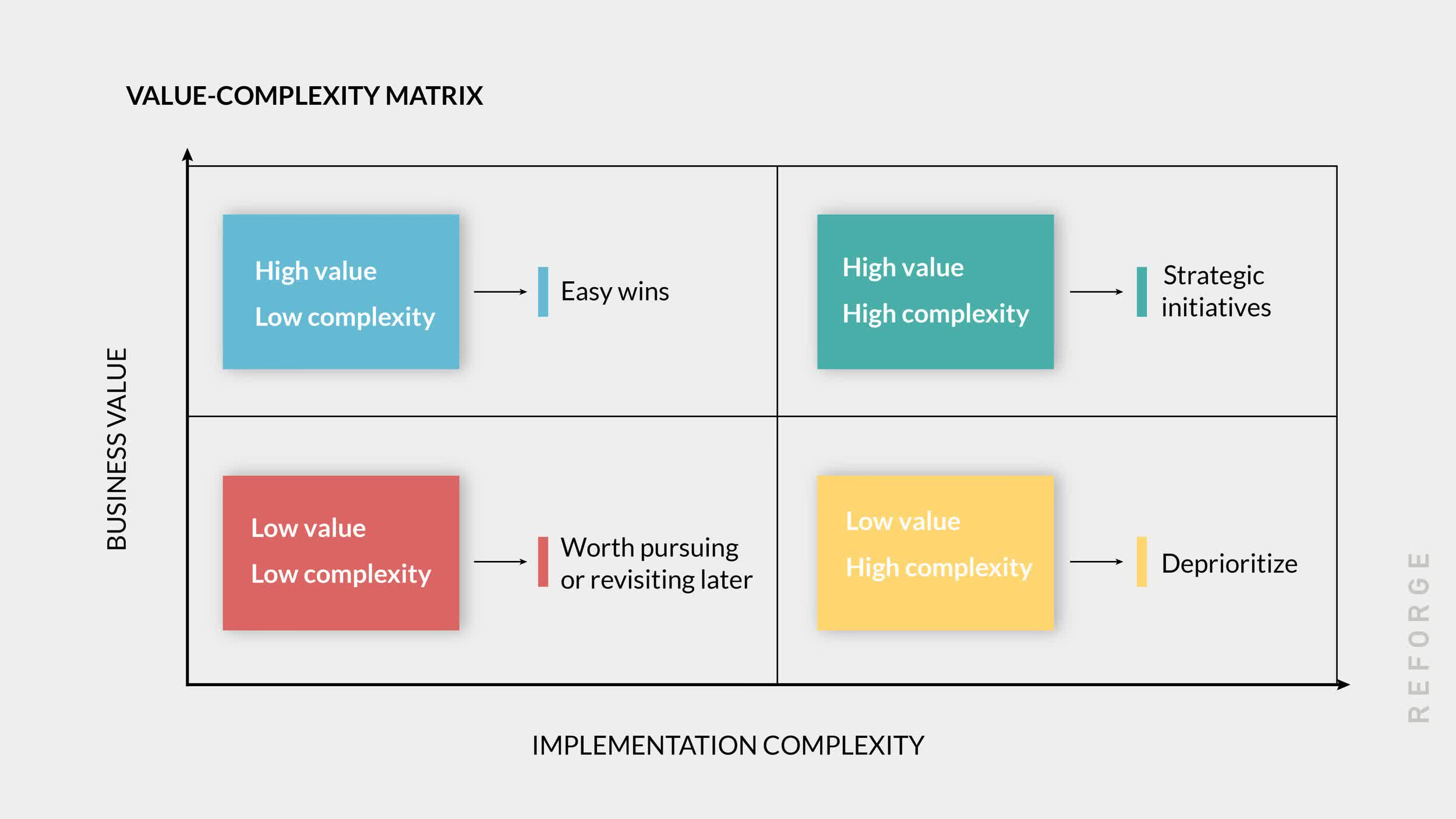
The uncomfortable truth I keep relearning: not every good idea deserves to be built. PMs constantly weigh ideas by customer value, effort, and strategic fit, because saying yes to everything is the same as having no strategy. A roadmap is really a stack of hard "not yet" decisions wearing a nicer outfit.
What a small-team product system actually needs
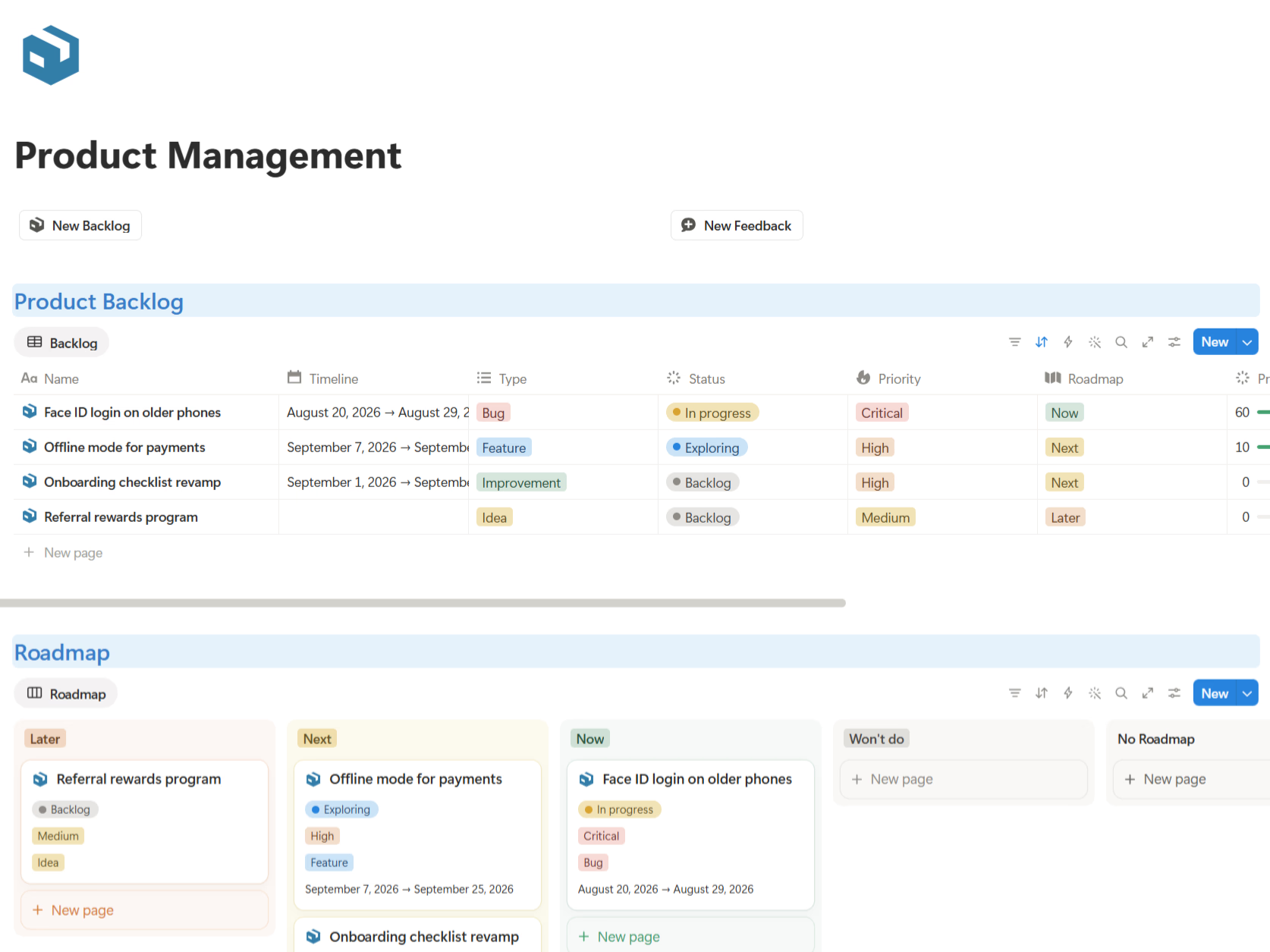
You do not need heavy tooling to think like a PM. In my own setup, the useful parts are:
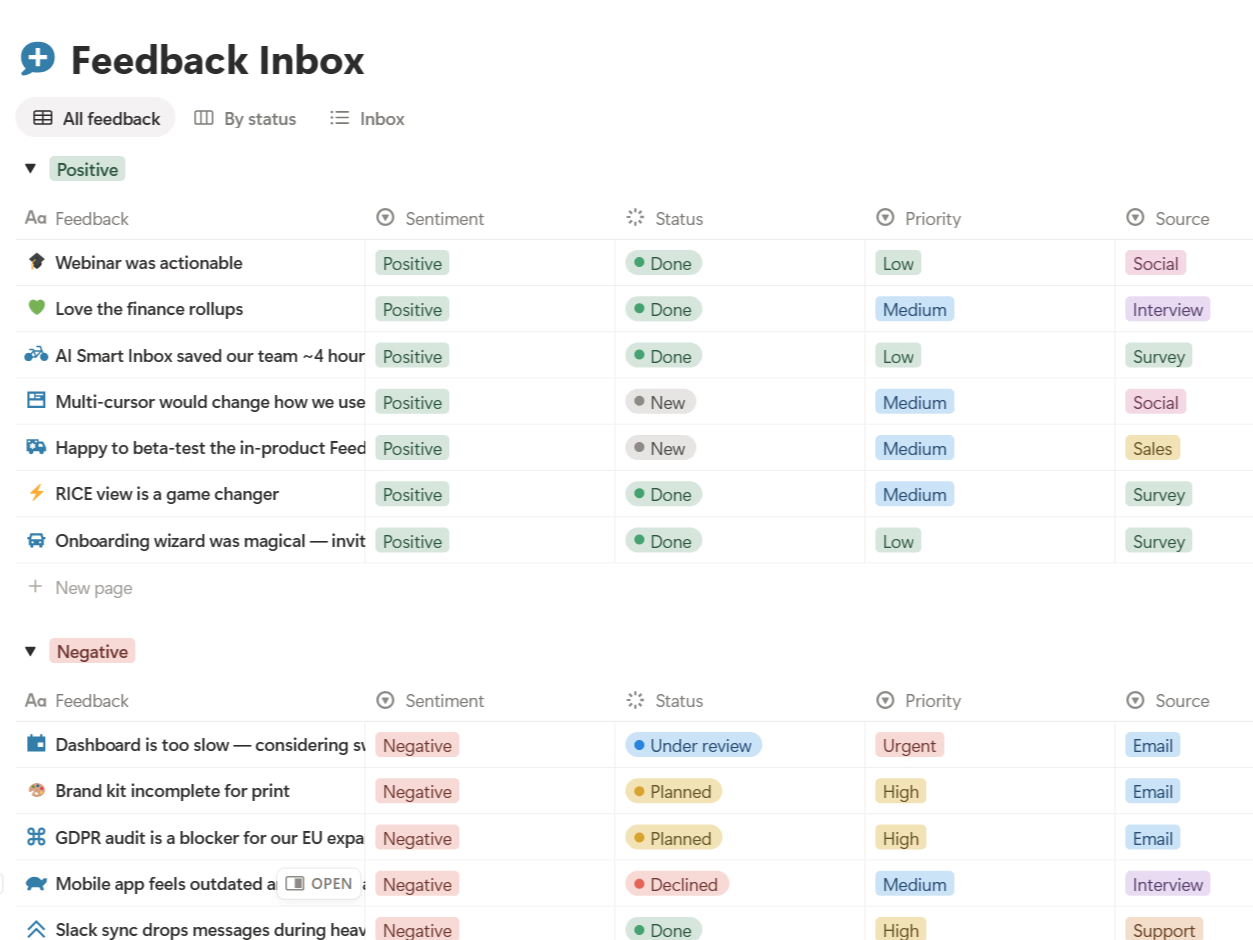
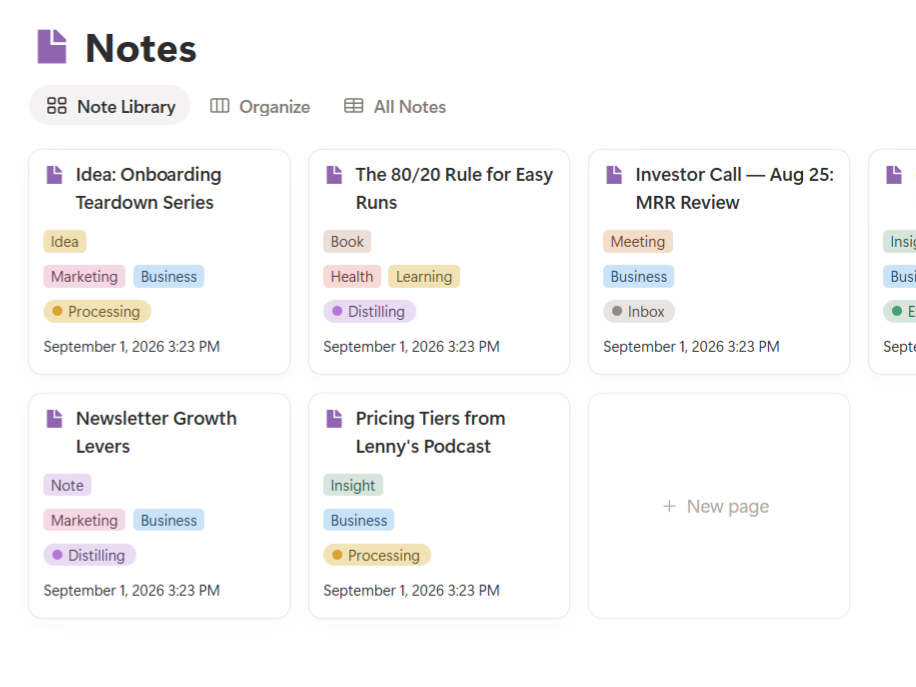
- A place to capture ideas and feedback — so signal does not vanish into chat.
- A problem statement per idea — what user pain does this solve?
- A source tag — customer, data, stakeholder, or strategy.
- A prioritization method — even a simple value-vs-effort view beats gut feel.
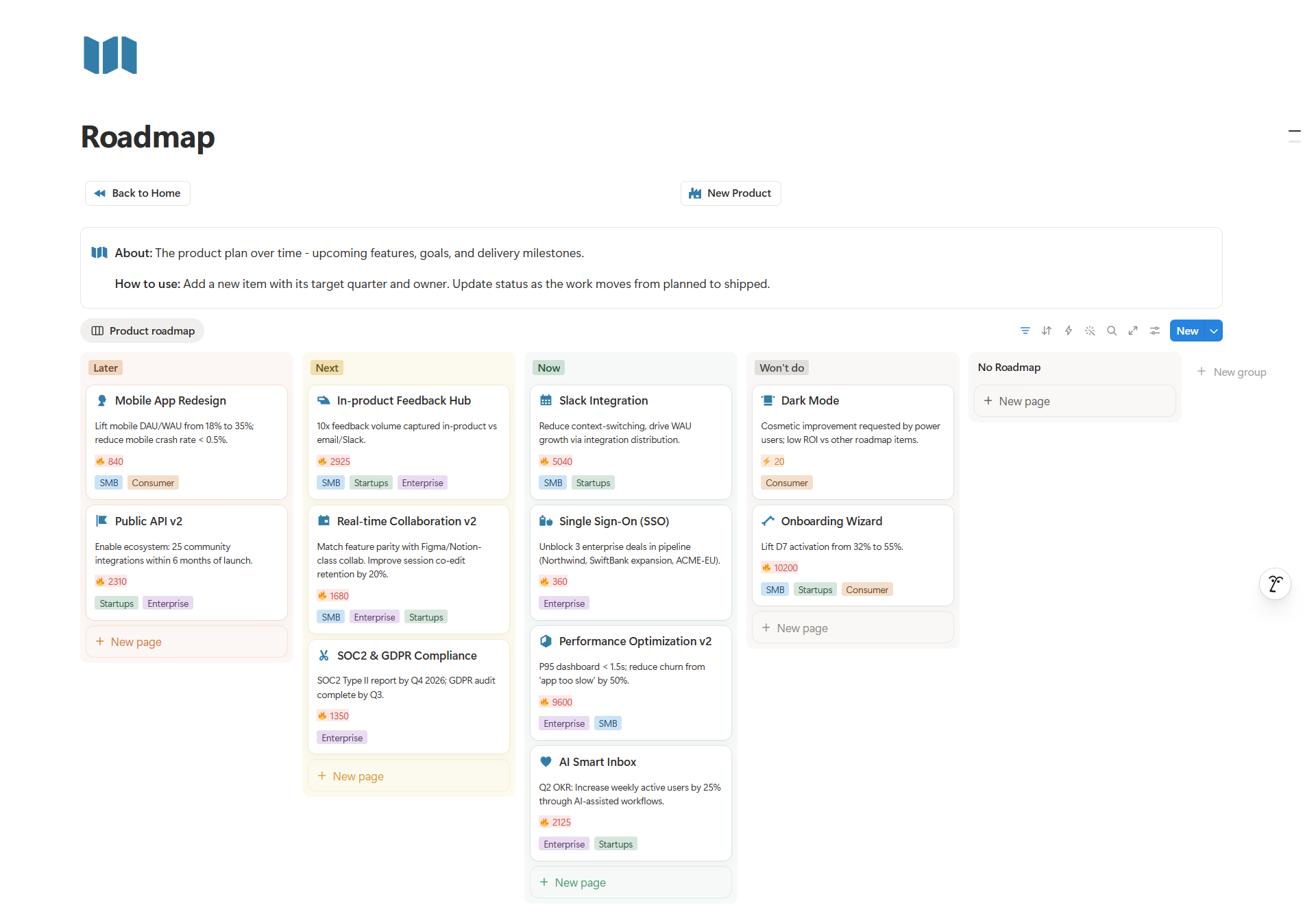
- A roadmap view — what we are building now, next, and later.
Who needs this, and when
If you are shipping anything to users — even a template, a course, or a small app — you are already doing product management, whether or not you call it that. The formal structure becomes worth it once ideas outpace your ability to remember them, or once more than one person has opinions about what to build next.
How ideas become a roadmap, step by step
The flow I follow now:
- Capture every idea and piece of feedback in one place.
- For each, write the problem and who has it.
- Score them with a simple, consistent method so comparison is fair.
- Group the winners into now / next / later.
- Revisit regularly, because new evidence should change the order.
Common mistakes I made
Building features because they were fun, not because they mattered. Confusing what customers said they wanted with what they actually needed. And treating the roadmap as a promise carved in stone instead of a living bet that should update as I learn.
The bottom line
What I have taken away so far:
- Product management owns the what and why; project management owns the how and when.
- The job spans the whole lifecycle, especially the part after launch.
- Prioritization is the real skill — a roadmap is a series of confident "not yet" decisions.
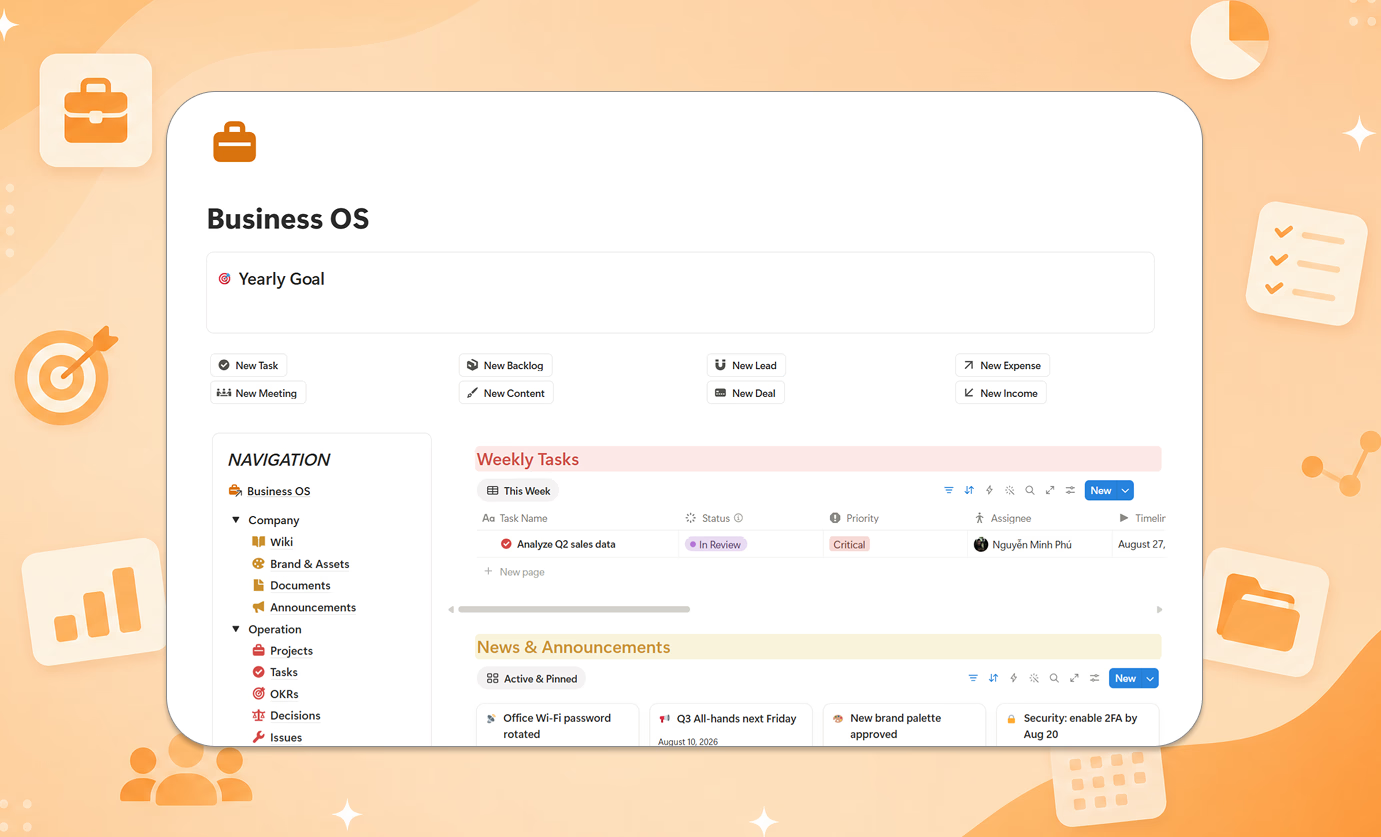
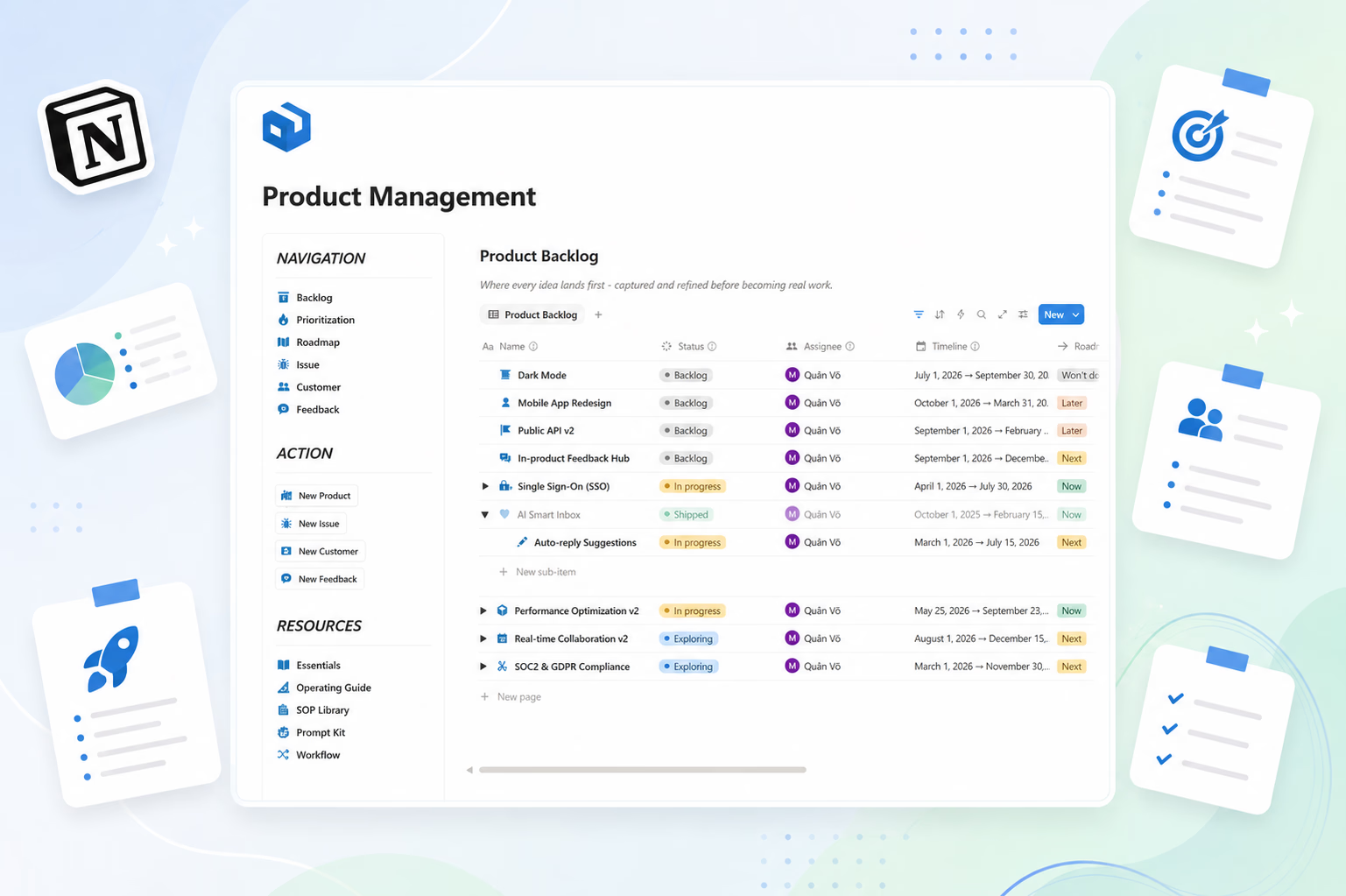
If you want a ready structure for ideas, feedback, prioritization, and roadmap, Product Package - Smart is how I organize this in Notion. The thinking is the transferable part.
Go deeper: