




There is a specific, uncomfortable moment I know well: money came in this month, money went out, and by the end I genuinely could not say where it went. Not reckless spending — invisible spending, the kind that never announces itself. I am not a finance person by training, so this is me sharing the simple habits that finally made my money stop surprising me.
What financial management actually means for a small business
At the big-company level, financial management is usually described as the strategic planning, organization, and direction of a company's finances — everything from day-to-day cash flow to long-term investment. That sounds heavy, but the small-business version is much lighter, and it is not the same thing as accounting.
Accounting is the formal record-keeping for taxes and compliance, and it mostly happens after the fact. Day-to-day financial management is more urgent and more human: knowing, at any moment, whether you can pay what is due and where your cash is going. The thread connecting both is liquidity — keeping enough money on hand to meet your obligations.
The 5 numbers that matter most
You can manage a small business's money surprisingly well by watching just five numbers:
- Real balance across all accounts — how much do I actually have right now?
- This week's money in and out — am I net positive or negative?
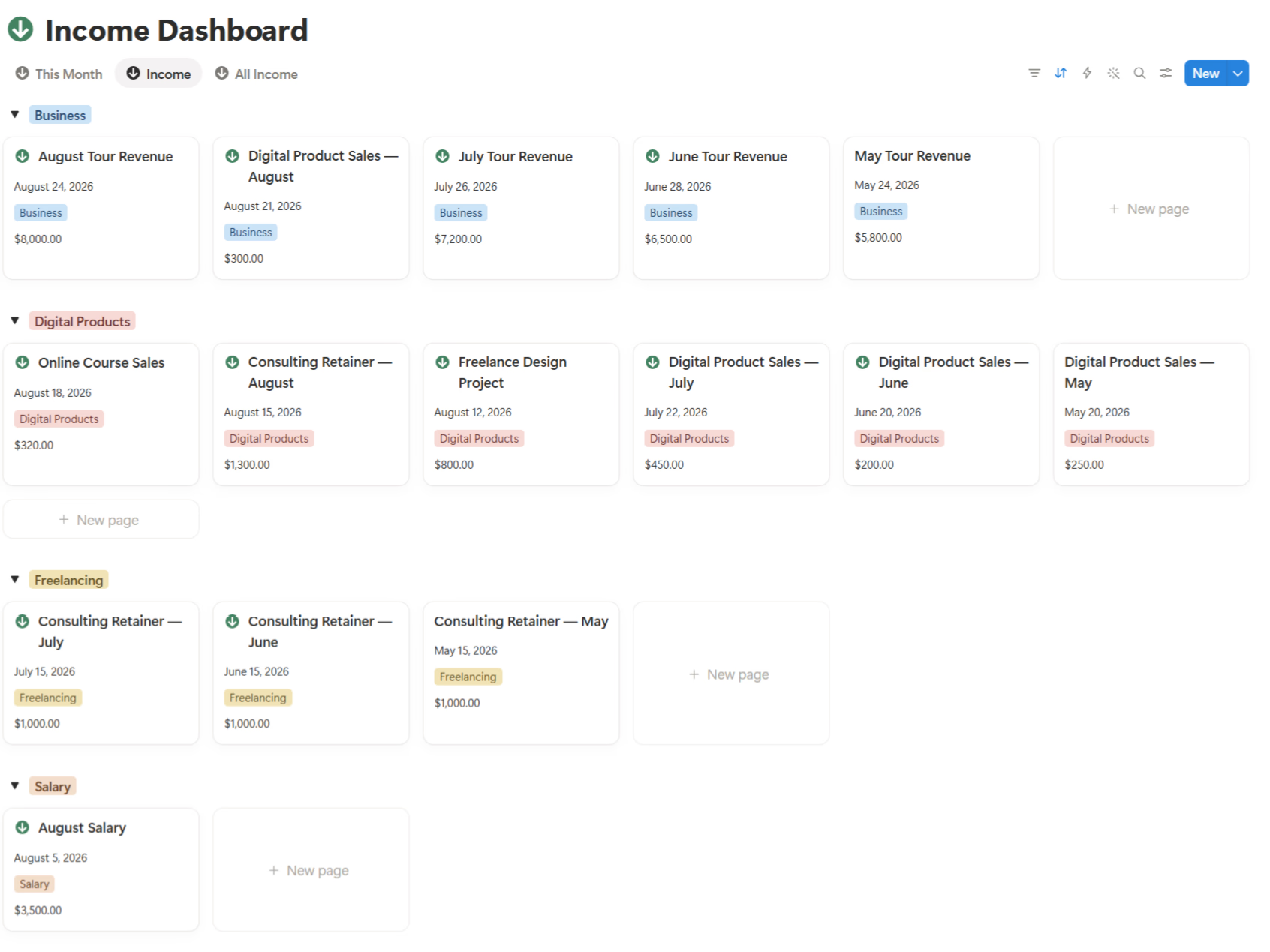
- Money owed to me — who is holding my money, and when is it due?
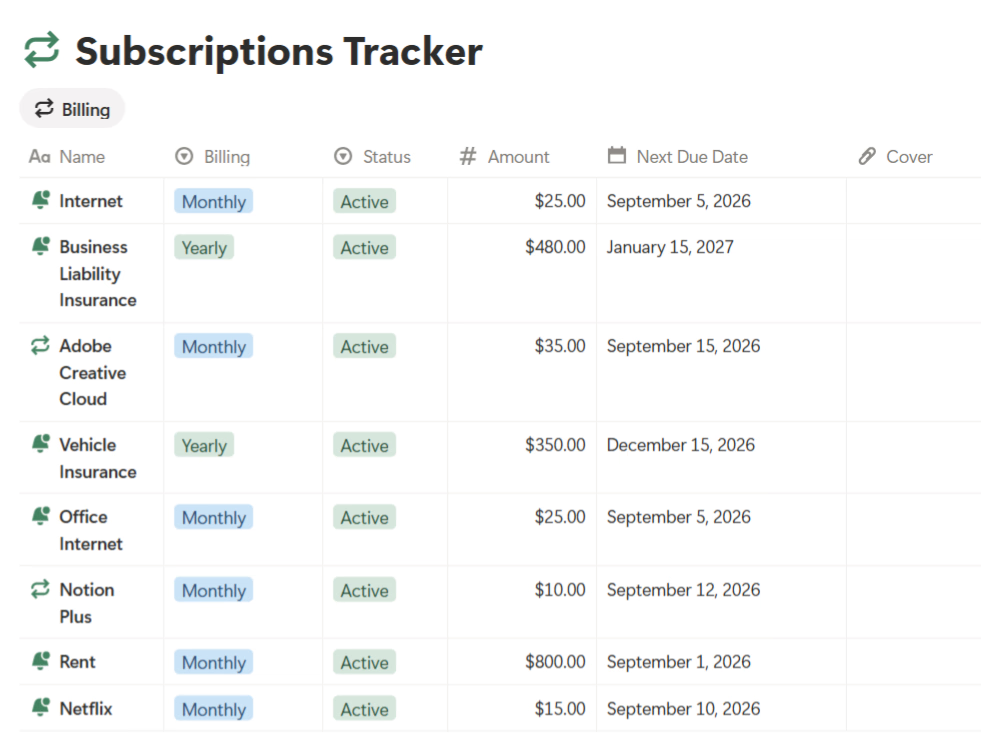
- Upcoming recurring charges — which subscriptions and bills hit soon?
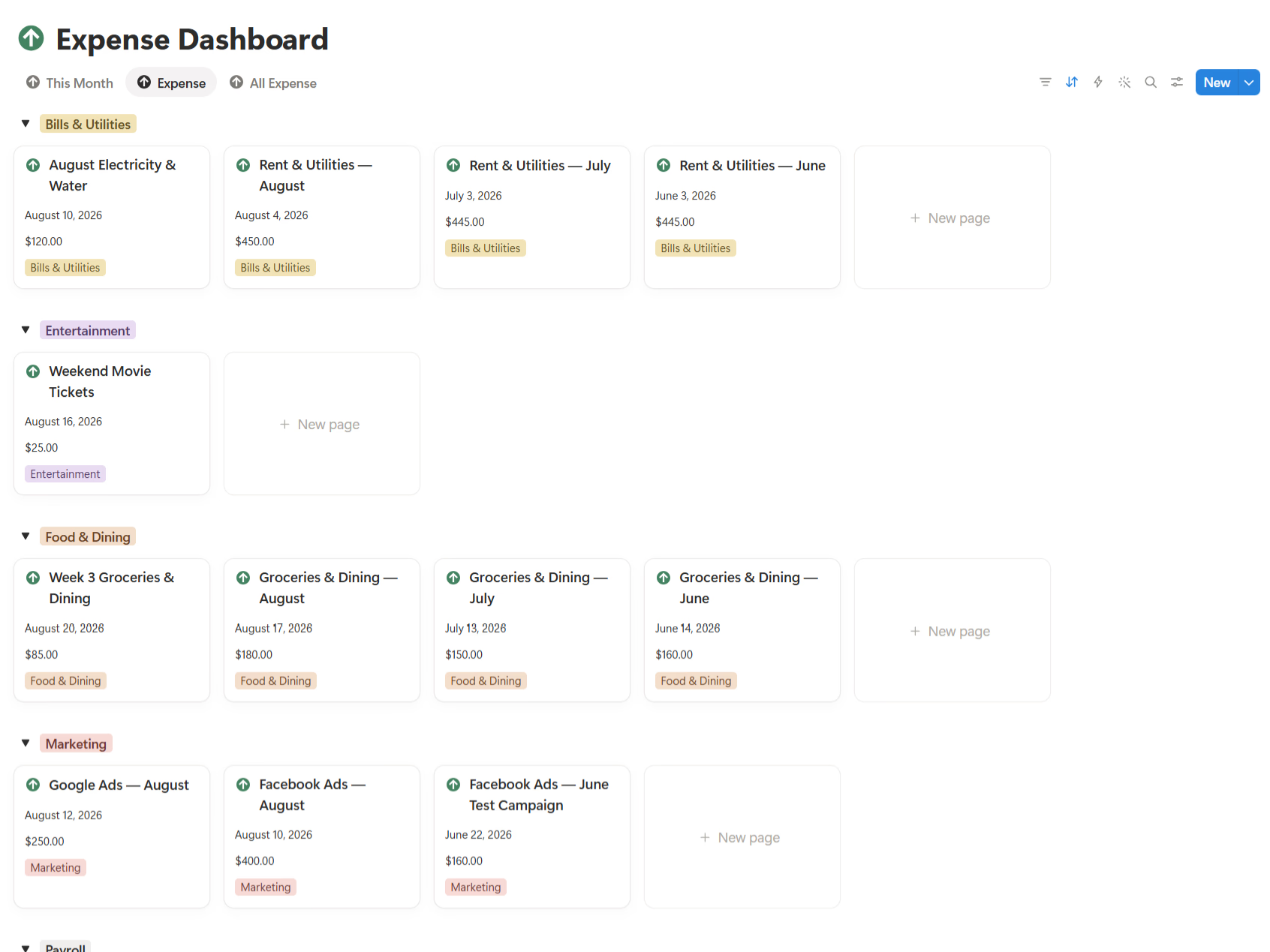
- Budget left per category — how much can I still spend on ads, tools, or contractors?
If I can see these five each morning, I am almost never blindsided by my own bank account. In a scattered setup, assembling them takes hours. In a system, it takes minutes.
Why invisible spending is the expensive kind
Here is a scenario I have lived: a healthy amount lands in the account, and by month-end almost nothing remains. Once I finally logged it all in one place, the mystery dissolved into ordinary categories — tools and subscriptions (a few forgotten), untracked ad spend, a contractor payment, and a suspiciously large "miscellaneous."
None of it was reckless. All of it was invisible. "Miscellaneous" is where a weak money system hides, because it really means "I was not watching." The danger is rarely one bad purchase; it is many small, unexamined ones. Visibility is the whole fix.
Who this is for, and when to start
This approach suits small business owners and freelancers without a dedicated accountant, and anyone who has discovered a cash problem at month-end — too late to act. The right time to start is now, not at some tidy future milestone, because the value is in the habit, not in perfect historical data. Begin with this month's numbers and improve from there.
Where this fits (and what it is not)
This kind of tracking sits alongside formal accounting, not instead of it. It will not do your taxes or replace an accountant when you need one. What it does well is answer the everyday question that keeps a business alive: where is my money right now? Finance is also deeply connected to everything else — receivables link to clients, budgets link to marketing, and expenses link to projects.
How I run a short morning money review
A system only works if you look at it. My routine is short and deliberate:
- Check total balance across all accounts, not just the main one.
- Look at money going out in the next few days so nothing surprises me.
- Look at money coming in — and if a payment is late, create a follow-up immediately.
- Check budget left in the categories that tend to run away: ads, tools, contractors.
- Decide one action — cancel a subscription, chase an invoice, log a missing transaction. The review ends with a decision, not just a feeling.
The subscription audit I keep avoiding (but shouldn't)
Subscriptions are dangerous because they are quiet. They do not ask permission each month; they simply leave. Once a month, I try to review every recurring charge and ask: did I use it recently, does it support the business, is there a cheaper plan, and what breaks if I cancel today? Cancelling one forgotten tool changes little; building the habit of checking changes a lot.
Why cash flow is about timing, not just totals
One thing that genuinely surprised me: a business can be profitable on paper and still feel broke. The culprit is timing. If clients pay late while subscriptions and contractors charge on time, your cash gets squeezed even when the math "works." That is why I like a view that shows expected versus actual payment dates next to upcoming bills and current balance.
The bottom line
What has actually helped me:
- You do not need accounting knowledge — you need a few key numbers, every morning, in a few minutes.
- Money problems are usually visibility problems; invisible spending is the expensive kind.
- Renewal dates and receivables belong on a dashboard, not in your memory.
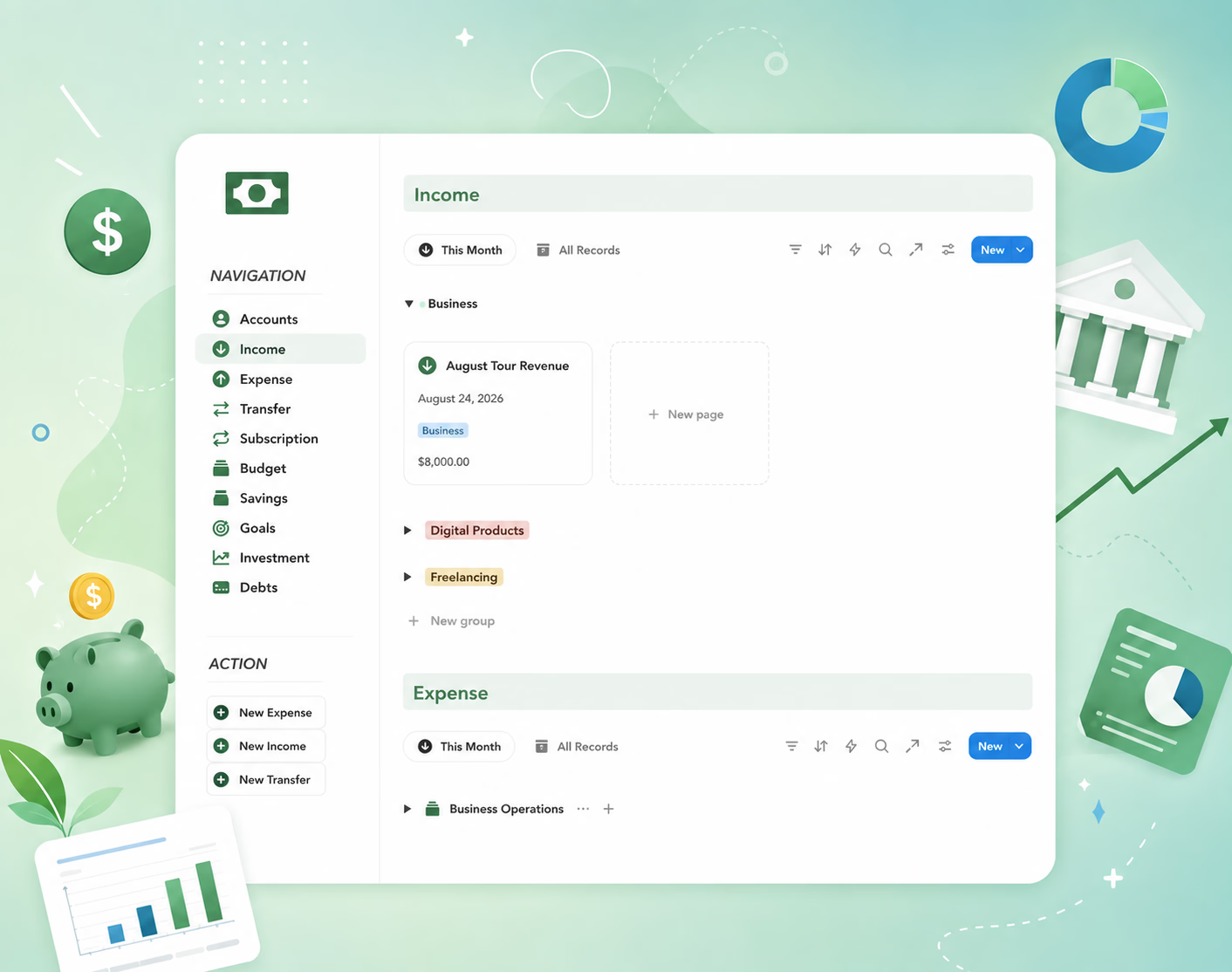
If you would rather start from a ready structure than build these trackers yourself, Finance Package is how I organize accounts, income and expenses, budgets, subscriptions, and debts on Notion. The habits are what keep you in control. Questions? Email tailorflowhq@gmail.com.
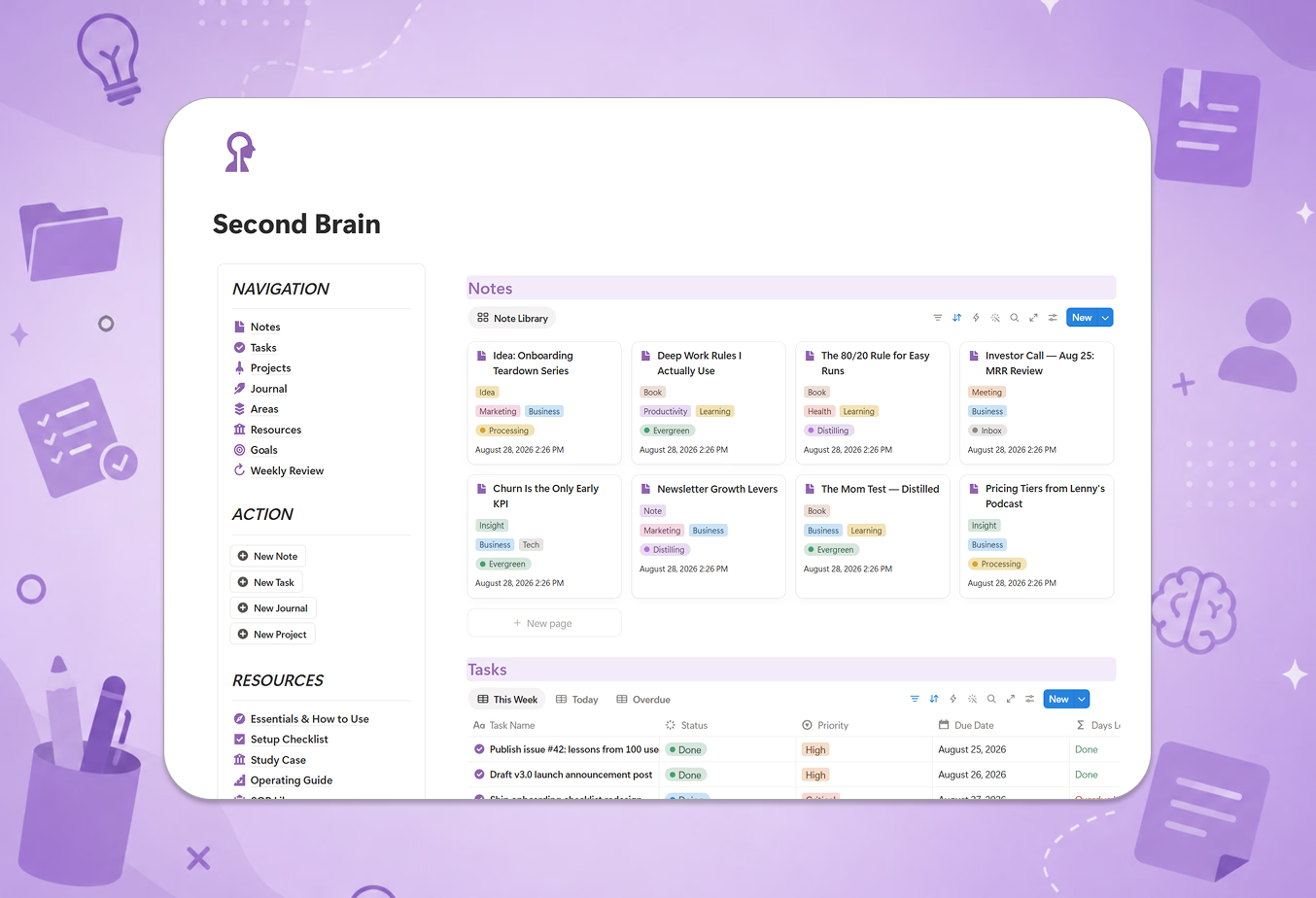
Zooming out: Business OS: How to Build a Business Operating System in Notion